
Some of the most famous water paintings in art history were created by J.M.W. Turner, Claude Monet, Katsushika Hokusai, Winslow Homer, and David Hockney. These artists transformed the depiction of water through iconic masterpieces that continue to influence art today. Their paintings feature oceans, rivers, waves, ponds, and reflections that helped shape the history of art across different periods and movements.
What Are Famous Water Paintings?
Water paintings are artworks in which water plays a central role in the composition. The subject may include oceans, rivers, waterfalls, lakes, ponds, rain, reflections, harbors, or waves.
Artists often use water to represent:
- Peace and tranquility
- Power and danger
- Reflection and self-discovery
- Change and transformation
- Life and renewal
Because water can symbolize many different emotions, it has remained one of the most important subjects in art history.
Why Has Water Inspired Artists for Centuries?

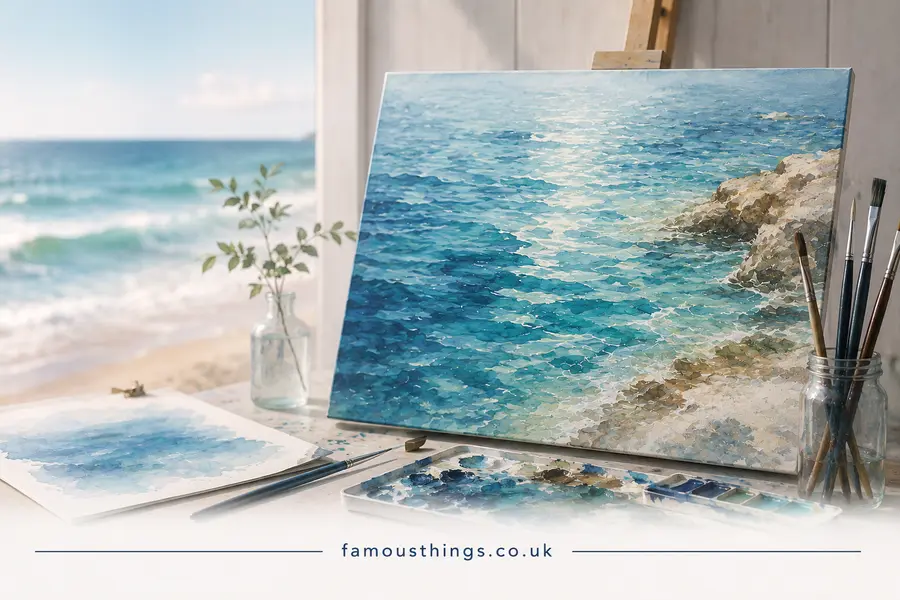
Water is unlike any other element in nature. It reflects light, changes color, creates movement, and constantly transforms its appearance.
Artists have always been attracted to water because it allows them to explore:
Light and Reflection
Water mirrors the sky, buildings, trees, and people around it. This gives artists endless opportunities to study light and color.
Movement
From gentle ripples to crashing waves, water creates natural motion that adds energy to a painting.
Emotion
A calm lake can create feelings of peace, while a stormy sea can evoke fear, uncertainty, or excitement.
Symbolism
Different cultures have used water as a symbol of purity, rebirth, spirituality, and the power of nature.
Timeline of Famous Water Paintings in Art History

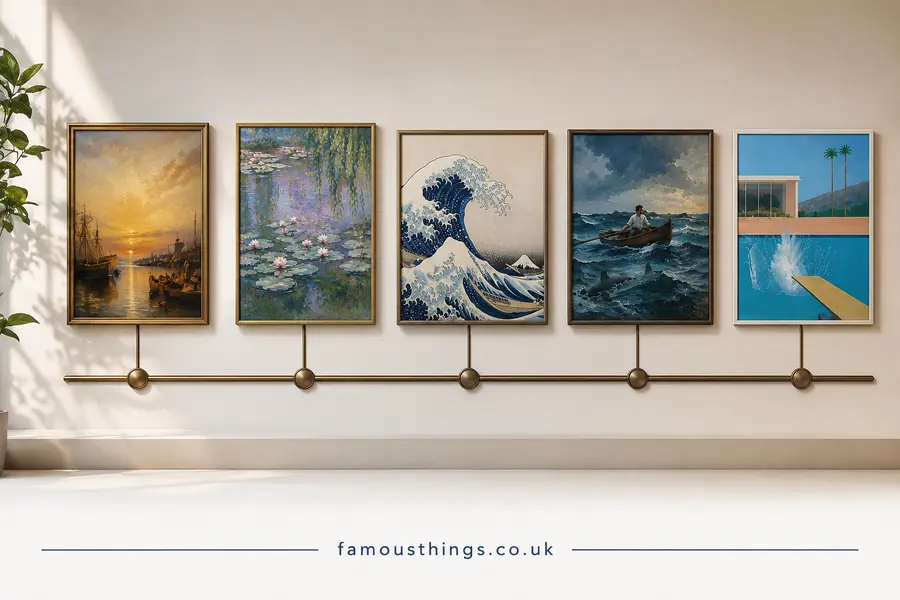
| Artist | Famous Painting | Year | Artistic Movement |
|---|---|---|---|
| Albrecht Dürer | Young Hare | 1502 | Renaissance |
| Katsushika Hokusai | The Great Wave off Kanagawa | 1831 | Ukiyo-e |
| J.M.W. Turner | The Fighting Temeraire | 1839 | Romanticism |
| Claude Monet | Water Lilies Series | 1899–1926 | Impressionism |
| Winslow Homer | The Gulf Stream | 1899 | Realism |
| David Hockney | A Bigger Splash | 1967 | Pop Art |
How Famous Water Paintings Became a Major Part of Art History
Early Water Depictions
Ancient civilizations often included rivers, seas, and water symbolism in murals and decorative art. However, water was usually a background element rather than the main focus.
Renaissance Period
During the Renaissance, artists became more interested in observing nature accurately. Water began appearing with greater realism in landscapes and studies of the natural world.
Romanticism
In the late 18th and early 19th centuries, artists started using water to express emotion and drama. Storms, shipwrecks, and powerful seas became popular subjects.
Impressionism
The Impressionists revolutionized the depiction of water. Rather than focusing on details, they captured changing light, reflections, and atmosphere.
Modern Art
Modern artists continued exploring water in new ways, using abstraction, bold colors, and experimental techniques.
J.M.W. Turner: The Master of Light and Water

Early Life and Career
Joseph Mallord William Turner was born in London in 1775 and became one of Britain’s greatest painters. He showed artistic talent from a young age and entered the Royal Academy Schools as a teenager.
Turner became famous for his dramatic landscapes and marine scenes, many of which focused on the sea.
Why Turner Changed Art History
Turner transformed the way artists painted water. Instead of simply recording what he saw, he focused on atmosphere, light, and emotion.
His paintings often feature:
- Stormy oceans
- Glowing sunsets
- Reflections on water
- Powerful natural forces
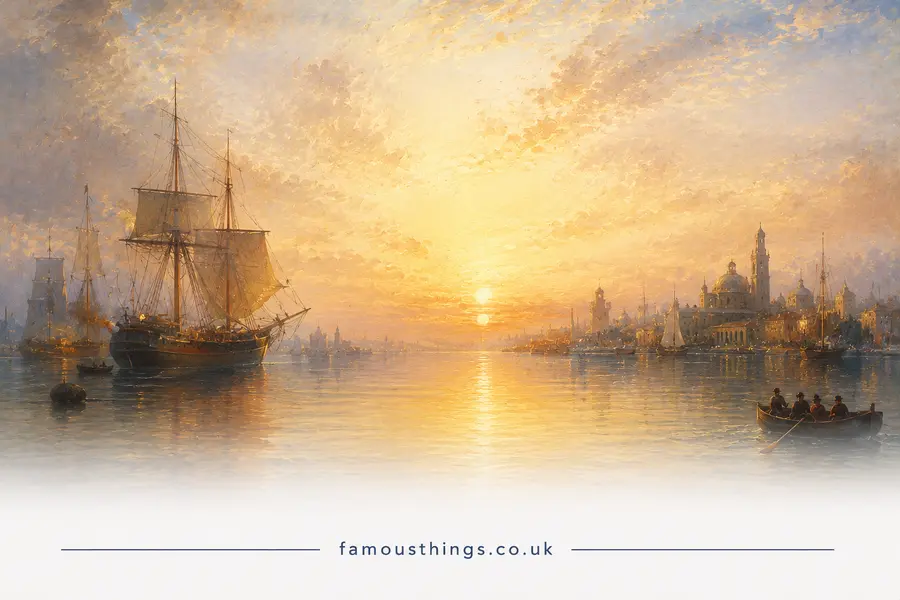
The Fighting Temeraire (1839)
This masterpiece shows a historic warship being towed to its final destination.
The calm river reflects the warm colors of the sunset, creating a powerful contrast between the old sailing era and the new industrial age.
Many art historians consider it one of the greatest famous water paintings ever created.
Katsushika Hokusai: The Artist Behind the World’s Most Famous Wave

Early Life and Career
Born in Japan in 1760, Hokusai became one of the most influential artists in Japanese history.
He worked in the ukiyo-e tradition and produced thousands of prints and paintings throughout his career.
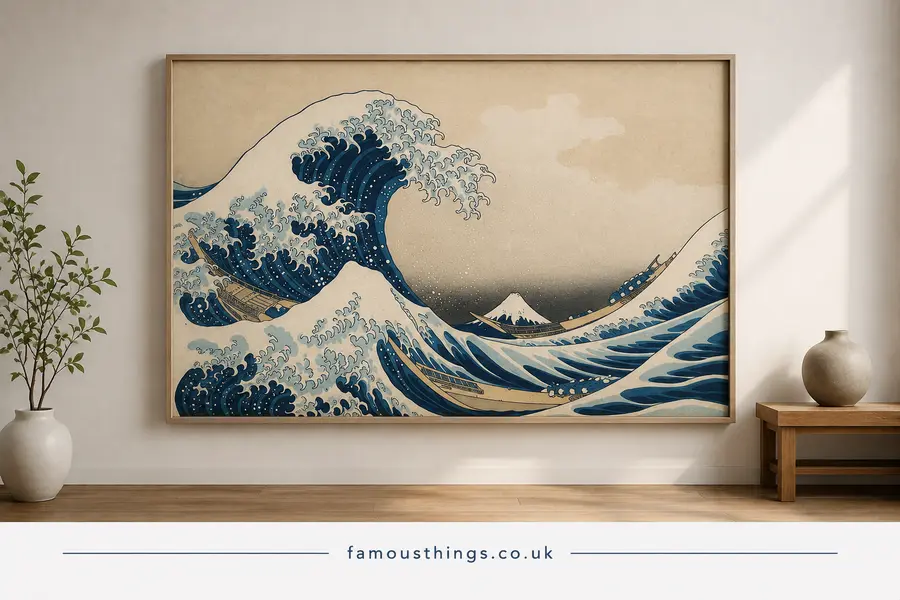
The Great Wave off Kanagawa (1831)
Few famous water paintings are as instantly recognizable as The Great Wave off Kanagawa.
The image shows a towering wave threatening small boats while Mount Fuji appears in the distance.
What makes this painting remarkable is how it combines:
- Movement
- Energy
- Fear
- Beauty
The wave appears alive, frozen at the exact moment before it crashes.
Why This Is One of the Most Famous Water Paintings Today
The Great Wave has become a global symbol of Japanese art and continues to influence artists, designers, and photographers around the world.
Claude Monet: The Painter Who Made Water a Lifetime Obsession

Early Life and Career
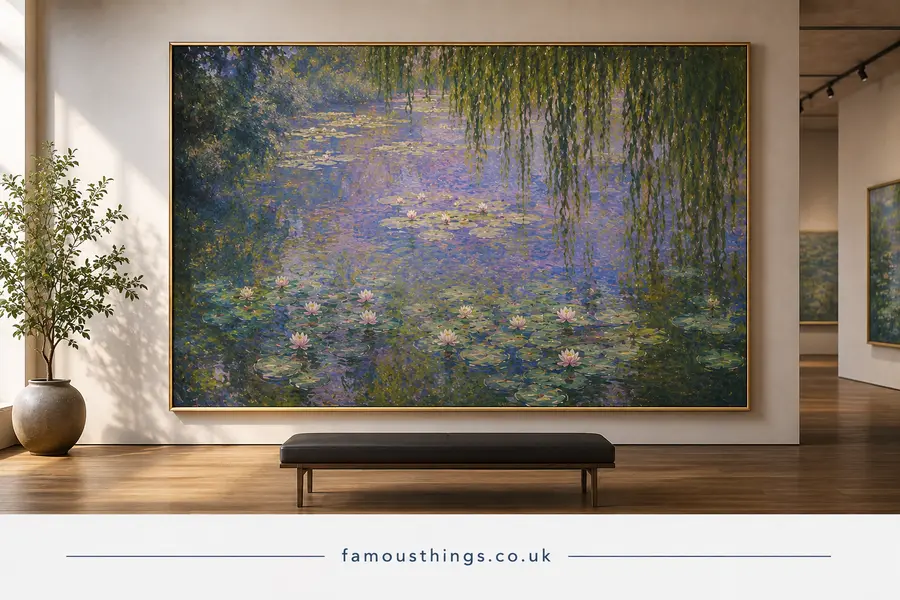
Claude Monet was born in France in 1840 and became one of the founders of Impressionism.
Unlike many artists who painted water occasionally, Monet devoted decades of his life to studying it.
The Water Lilies Series
Monet created hundreds of paintings inspired by the pond in his garden at Giverny.
Instead of focusing on objects, he focused on:
- Reflections
- Light
- Color changes
- Seasonal variations
The result was the famous water paintings Lilies series, one of the most important achievements in modern art.
Why Monet’s Water Paintings Matter
Monet showed that a simple pond could become an endless source of artistic inspiration.
His work influenced generations of artists and helped pave the way for modern abstraction.
Winslow Homer: Capturing the Power of the Sea
Early Life and Career
Winslow Homer was born in Boston in 1836 and became one of America’s most respected painters. Although he worked in different subjects throughout his career, he became especially known for his dramatic marine paintings.
Homer spent years observing the Atlantic coast, studying the behavior of waves, storms, and fishermen.
The Gulf Stream (1899)
The Gulf Stream is one of the most powerful famous water paintings ever created.
The painting shows a lone man stranded in a damaged boat while rough waves and sharks surround him. The scene creates immediate tension and uncertainty.
Why It Is Important
Unlike many peaceful seascapes, Homer used water as a symbol of nature’s overwhelming power. The painting reminds viewers that humans remain vulnerable in the face of the natural world.
David Hockney: A Modern Vision of Water
Early Life and Career
David Hockney is one of the most influential British artists of the modern era. Born in 1937, he became associated with the Pop Art movement and gained international recognition for his vibrant use of color.
A Bigger Splash (1967)
A Bigger Splash is one of Hockney’s most famous paintings.
The artwork depicts a swimming pool moments after someone has jumped into the water. Interestingly, the person is not visible. Only the splash remains.
Why It Stands Out
The painting captures a brief moment that lasts only seconds in real life.
The contrast between the still surroundings and the energetic splash creates a striking visual effect that continues to attract audiences today.
Frits Thaulow: The Painter Who Understood Water Better Than Most
Early Life and Career
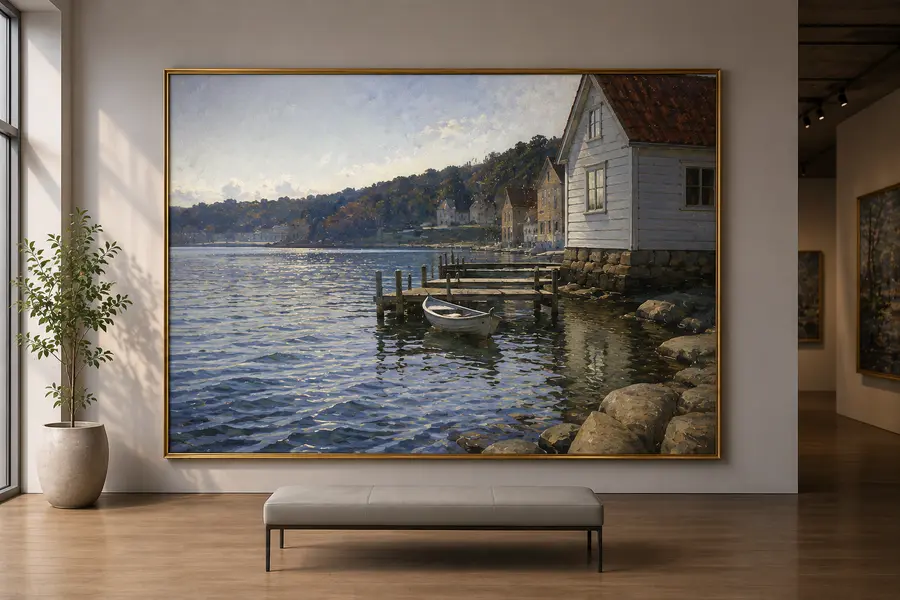
Frits Thaulow was a Norwegian painter known for his extraordinary ability to paint rivers, streams, and reflections.
Unlike artists who focused on dramatic storms, Thaulow often painted ordinary waterways and transformed them into captivating works of art.
What Made His Work Special
Thaulow carefully observed:
- Ripples
- Reflections
- Flowing currents
- Seasonal changes
- Light on water
His paintings often feel so realistic that viewers can almost hear the water moving.
Lasting Influence
Many contemporary landscape artists continue to study Thaulow’s techniques when learning how to paint water realistically.
How Water Symbolism Changed Art History
Water is more than a visual subject. It often carries deeper meaning.
Water as Peace
Still lakes and calm rivers frequently symbolize tranquility, balance, and harmony.
Water as Power
Storms, waves, and turbulent seas often represent nature’s strength and unpredictability.
Water as Transformation
Many artists use water to symbolize change, growth, and new beginnings.
Water as Reflection
Reflections in water can suggest self-discovery, memory, or contemplation.
Because water can communicate many emotions at once, it remains one of the most versatile subjects in art.
The Artistic Techniques Used in Famous Water Paintings
Reflections
Artists often use reflections to create depth and visual interest.
Layering
Multiple transparent layers help create the illusion of movement and light.
Atmospheric Effects
Mist, fog, rain, and sunlight can dramatically change the mood of a painting.
Color Variation
Water rarely appears as a single color. Artists carefully blend blues, greens, grays, and warm reflections to create realism.
Movement and Rhythm
Brushstrokes can suggest flowing rivers, crashing waves, or gentle ripples.
Why Famous Water Paintings Continue to Fascinate People
Water paintings remain popular because they connect with universal human experiences.
People are naturally drawn to:
- Oceans
- Rivers
- Lakes
- Waterfalls
- Rain
- Reflections
These subjects remind us of nature, travel, memories, and emotions.
Whether painted centuries ago or today, water-themed artworks continue to feel relevant because water itself is timeless.
The Influence of Famous Water Paintings on Modern Art
The artists who mastered water changed the direction of art history.
Turner influenced modern landscape painting.
Monet helped inspire abstract art.
Hokusai influenced artists across Europe and America.
Homer shaped marine painting traditions.
Hockney introduced modern interpretations of water.
Their innovations continue to inspire painters, illustrators, photographers, and digital artists around the world.
Frequently Asked Questions
What is the most famous water painting among all famous water paintings?
Many experts consider The Great Wave off Kanagawa by Katsushika Hokusai to be the most recognizable water-themed artwork ever created.
Who created the most influential famous water paintings?
Claude Monet, J.M.W. Turner, and Katsushika Hokusai are among the most famous artists associated with water paintings.
Why do artists paint water so often?
Water offers endless possibilities for studying light, movement, color, and reflection.
What is Claude Monet’s most famous water painting?
The Water Lilies series is widely considered Monet’s most famous body of work.
Why is The Great Wave off Kanagawa so famous?
Its dramatic composition, powerful movement, and cultural significance have made it one of the world’s most recognizable artworks.It remains one of the most recognizable famous water paintings in the world.
Was J.M.W. Turner famous for water paintings?
Yes. Turner became famous for his atmospheric seascapes and dramatic marine scenes.
What does water symbolize in art?
Water often symbolizes peace, renewal, transformation, reflection, and power.
Which American artist created famous water paintings?
Winslow Homer is one of the most celebrated American artists known for marine and coastal paintings.
Are famous water paintings still popular today?
Yes. Contemporary artists continue to explore water through traditional and modern techniques.
What makes a water painting successful?
Strong observation, realistic reflections, convincing movement, effective use of light, and emotional impact all contribute to a successful water painting.
Which painting series made Monet famous for water art?
The Water Lilies series helped establish Monet as one of the most influential artists in the history of water-themed art.
Why are famous water paintings important in art history?
They demonstrate how artists used water to explore emotion, symbolism, technical innovation, and the beauty of nature.
Conclusion
The most famous water paintings in art history were created by artists who understood that water is much more than a natural element. From Hokusai’s powerful wave and Turner’s dramatic seascapes to Monet’s peaceful ponds and Hockney’s modern swimming pools, each artist found a unique way to capture its beauty and meaning.
These masterpieces continue to inspire viewers because they combine technical skill, emotional depth, and timeless themes. As long as artists remain fascinated by light, movement, reflection, and nature, water will continue to be one of the most compelling subjects in art. Today, famous water paintings continue to inspire artists, collectors, students, and art lovers around the world.
Read More: Famous Black Boxers: 10 Legends Who Changed Boxing History