
The most famous landmarks in Mexico include Chichén Itzá, Teotihuacan, Tulum, Monte Albán, and the Great Pyramid of Cholula. These sites represent ancient civilizations like the Maya and Aztecs and are known for their historical, cultural, and architectural significance.
Why Mexico Has So Many Historic Landmarks
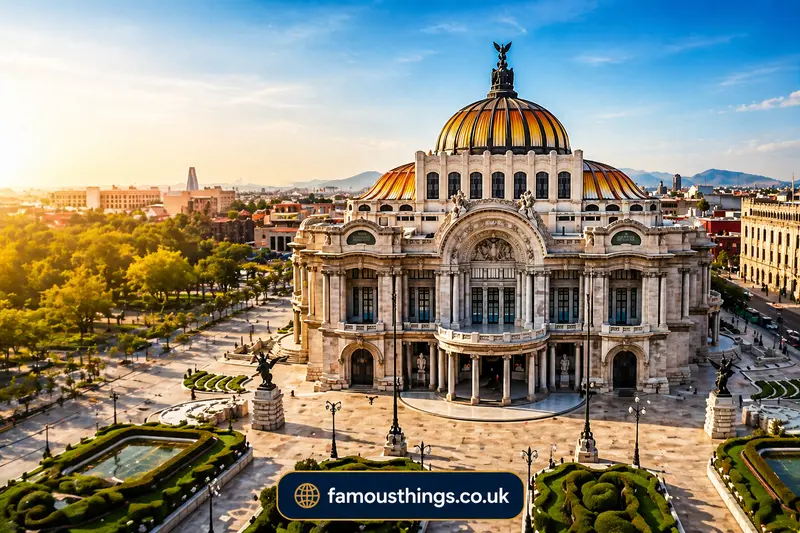
Mexico’s landscape is filled with historical sites because the region has been inhabited by advanced civilizations for thousands of years.
Ancient Civilizations Built Monumental Cities
Long before European arrival, powerful societies built cities, pyramids, and ceremonial centers across what is now Mexico.
The most influential civilizations include:
Maya civilization – famous for pyramids, astronomy, and advanced mathematics
Aztec empire – known for temples and large urban capitals
Zapotec civilization – builders of Monte Albán and early writing systems
Totonac culture – creators of El Tajín and its unique pyramid structures
These civilizations constructed monumental architecture aligned with religious beliefs and astronomical events.
Spanish Colonial Architecture Added Another Layer
After the Spanish conquest in the 16th century, new architectural styles appeared throughout Mexico.
This period introduced:
grand cathedrals
colonial plazas
palaces and civic buildings
The combination of indigenous and European influences makes the famous landmarks in Mexico especially unique.
Famous Landmarks in Mexico You Should Know
Below are some of the most iconic landmarks that represent Mexico’s cultural and historical heritage.
Chichén Itzá
Chichén Itzá is one of the most famous archaeological sites in the world and one of the New Seven Wonders of the World. Located in the Yucatán Peninsula, it was a major Mayan city between 600 and 1200 CE.
Key Highlights
Temple of Kukulkan (El Castillo) pyramid
The Sacred Cenote used for ceremonies
The Great Ball Court, the largest in Mesoamerica
Astronomical alignment during equinoxes
During the spring and autumn equinoxes, shadows on the pyramid create the illusion of a serpent moving down the steps.
Teotihuacan
Teotihuacan is one of the largest ancient cities in the Americas and lies just outside Mexico City.
At its peak, the city may have had more than 100,000 residents.
Major Attractions
Pyramid of the Sun
Pyramid of the Moon
Avenue of the Dead
Temple of the Feathered Serpent
Although historians still debate who built the city, its scale and design show extraordinary urban planning.
Monte Albán
Monte Albán was the capital of the Zapotec civilization and was built on a flattened mountain overlooking the Oaxaca Valley.
Important Features
Large ceremonial plaza
Stone carvings called Los Danzantes
Ancient ball court
Strategic hilltop location
The city remained an important political and religious center for nearly a thousand years.
Great Pyramid of Cholula
The Great Pyramid of Cholula is the largest pyramid in the world by volume.
Construction began around 200 BCE and continued for centuries as different civilizations expanded it.
Interesting Facts
Built mainly from adobe bricks
Hidden under vegetation, making it look like a natural hill
A Spanish church now stands on top of the pyramid
Visitors can walk through tunnels that reveal the pyramid’s internal layers.
Tulum Ruins
Tulum is one of the most scenic archaeological sites in Mexico because it sits on cliffs above the Caribbean Sea.
What Makes Tulum Unique
Coastal defensive walls
El Castillo temple overlooking the ocean
Ancient trading port
Well-preserved murals
The dramatic ocean backdrop makes Tulum one of the most photographed famous landmarks in Mexico.
Palenque
Located in the jungles of Chiapas, Palenque is known for its elegant Mayan architecture and detailed carvings.
Main Attractions
Temple of the Inscriptions
Tomb of King Pakal
Royal Palace complex
Intricate stone reliefs
The surrounding rainforest adds to the site’s mysterious atmosphere.
El Tajín
El Tajín was a ceremonial center of the Totonac civilization in Veracruz.
Unique Characteristics
Pyramid of the Niches with 365 decorative niches
Multiple ball courts
Religious symbolism connected to the solar calendar
Traditional ritual known as Danza de los Voladores
The architecture reflects the deep connection between religion, astronomy, and political power.
Why Famous Landmarks in Mexico Attract Millions of Visitors
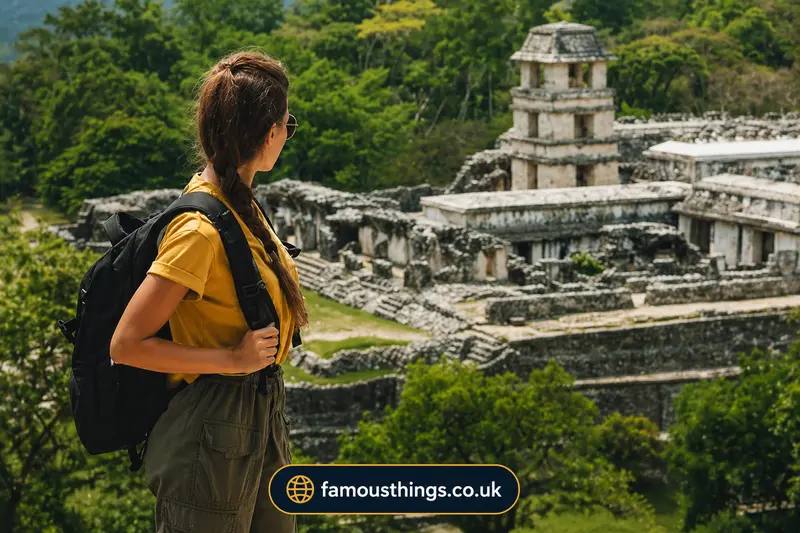
Every year millions of travelers visit the famous landmarks in Mexico to explore ancient history, impressive architecture, and unique cultural traditions. Sites such as Chichén Itzá, Teotihuacan, and Monte Albán allow visitors to experience the achievements of ancient civilizations while learning about Mexico’s rich heritage.
Key Facts About Famous Landmarks in Mexico
| Landmark | Civilization | Location | Period | Main Feature |
|---|---|---|---|---|
| Chichén Itzá | Maya | Yucatán | 600–1200 CE | Temple of Kukulkan |
| Teotihuacan | Mesoamerican | Central Mexico | 100 BCE–650 CE | Pyramid of the Sun |
| Monte Albán | Zapotec | Oaxaca | 500 BCE–700 CE | Hilltop ceremonial city |
| Cholula Pyramid | Multiple cultures | Puebla | 200 BCE–900 CE | Largest pyramid by volume |
| Tulum | Maya | Quintana Roo | 1200–1500 CE | Coastal fortress ruins |
| Palenque | Maya | Chiapas | 600–800 CE | Tomb of King Pakal |
| El Tajín | Totonac | Veracruz | 600–1200 CE | Pyramid of the Niches |
Natural Landmarks That Also Define Mexico
In addition to historical monuments, Mexico also has breathtaking natural landscapes.
Important natural landmarks include:
Copper Canyon – a massive canyon system in northern Mexico
Hierve el Agua – mineral formations that resemble frozen waterfalls
Yucatán Cenotes – natural sinkholes filled with clear groundwater
Sian Ka’an Biosphere Reserve – a protected ecosystem with diverse wildlife
These places show that Mexico’s landmarks include both cultural heritage and natural beauty.
Travel Tips for Visiting Famous Landmarks in Mexico
Best Time to Visit
The dry season from November to April generally offers the best weather for exploring historical sites.
Arrive Early
Popular archaeological sites become crowded quickly, so early morning visits are recommended.
Bring Essential Items
Travelers should bring:
sunscreen
a hat
comfortable walking shoes
water
Consider Guided Tours
Local guides provide valuable insights into the history, symbolism, and cultural significance of each site.
FAQs About Famous Landmarks in Mexico
What are the most famous landmarks in Mexico?
Chichén Itzá, Teotihuacan, Monte Albán, Tulum, Cholula, Palenque, and El Tajín are among the most famous landmarks in Mexico, known for their history and cultural significance.
Why is Chichén Itzá famous?
Chichén Itzá is famous as one of the New Seven Wonders of the World and for its advanced Maya architecture and astronomical design.
What is the largest pyramid in Mexico?
The Great Pyramid of Cholula is the largest pyramid in Mexico and the world by volume.
Why is Teotihuacan considered mysterious?
Teotihuacan is considered mysterious because historians are still unsure who built it and why it was abandoned.
Which landmark is located by the Caribbean Sea?
The Tulum ruins are located on cliffs overlooking the Caribbean Sea.
Are Mexican landmarks protected today?
Many landmarks in Mexico are protected as UNESCO World Heritage Sites or national monuments.
What civilizations built the pyramids in Mexico?
The Maya, Aztec, Zapotec, and other Mesoamerican civilizations built the pyramids in Mexico.
What natural landmarks are famous in Mexico?
Famous natural landmarks in Mexico include Copper Canyon, cenotes, and Hierve el Agua.
Which city has many historic landmarks?
Mexico City has many historic landmarks, including museums, temples, and colonial buildings.
Why do tourists visit the famous landmarks in Mexico?
Tourists visit these landmarks to experience ancient history, cultural heritage, and impressive architecture.
Final Thoughts
The famous landmarks in Mexico represent thousands of years of cultural development and architectural innovation. From ancient pyramids and ceremonial cities to colonial architecture and natural wonders, these landmarks reveal the extraordinary story of Mexico’s past.
Exploring them offers a deeper understanding of the civilizations that shaped the country and the traditions that continue to influence its culture today.
Read More: What Are the Most Famous Things Trending Right Now in 2026? (Complete Guide)