
Famous Hawaiians are influential people from Hawaii or of Native Hawaiian heritage who shaped history, music, sports, entertainment, and global culture. Some of the most Hawaiian icons include King Kamehameha I, Bruno Mars, Jason Momoa, Duke Kahanamoku, and Queen Liliʻuokalani.
Historical Background of Hawaii’s Global Influence
Hawaii was once an independent kingdom before becoming a U.S. territory and later the 50th state in 1959. This unique history helped shape the identity of many famous Hawaiians throughout history.
The Hawaiian Kingdom produced influential royal leaders, while modern Hawaii has created globally recognized musicians, athletes, actors, and activists. Today, Hawaiian culture continues influencing entertainment, tourism, sports, and education worldwide.
Understanding Hawaiian celebrities requires understanding the strong connection between Hawaiian history, culture, and community values.
Key Traits Shared by Famous Hawaiians
Many notable Hawaiians share similar qualities despite working in different industries:
- Strong connection to Hawaiian culture
- Pride in island traditions
- Leadership and community influence
- Respect for Native Hawaiian identity
- Representation of Hawaii on global platforms
These shared values help explain why notable Hawaiians often become cultural ambassadors beyond entertainment and celebrity status.
Top 15 Most Famous Hawaiians
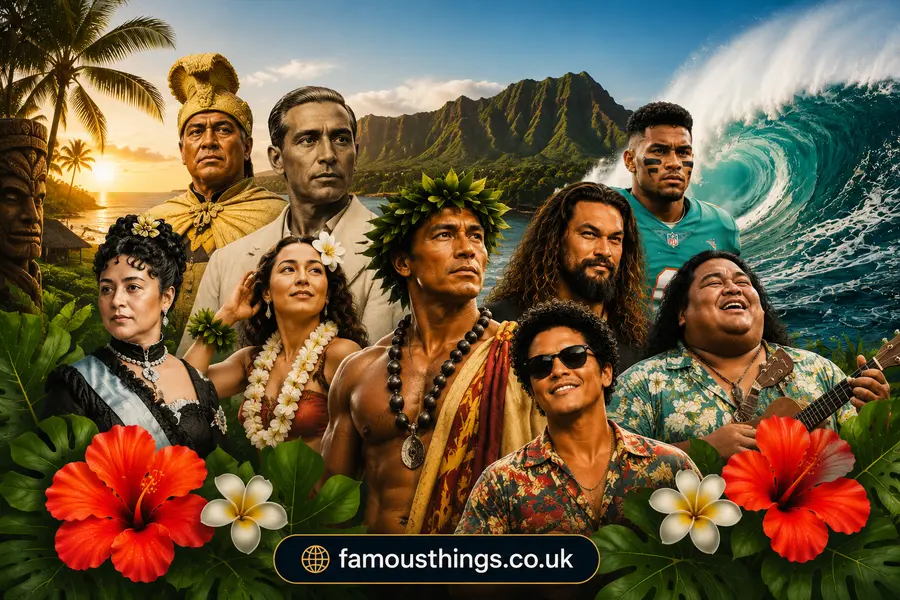
King Kamehameha I
King Kamehameha I unified the Hawaiian Islands in 1810 and established the Kingdom of Hawaii. He remains one of the most respected leaders in Hawaiian history.
Queen Liliʻuokalani
Queen Liliʻuokalani was the final reigning monarch of Hawaii. She is remembered for defending Hawaiian sovereignty and composing the famous song “Aloha ʻOe.”
Duke Kahanamoku
Duke Kahanamoku became known as the “Father of Modern Surfing.” He introduced surfing to the world while also winning Olympic gold medals in swimming.
Bruno Mars
Born in Honolulu, Bruno Mars became one of the world’s biggest music stars. His Hawaiian upbringing influenced his performance style and personality.
Israel Kamakawiwoʻole
Israel Kamakawiwoʻole, also known as “Bruddah Iz,” gained worldwide fame for his emotional medley of “Somewhere Over the Rainbow/What a Wonderful World.”
Jason Momoa
Jason Momoa is one of the most famous Hawaiians in Hollywood. He became internationally recognized through Aquaman and Game of Thrones.
Tua Tagovailoa
NFL quarterback Tua Tagovailoa represents Hawaii in professional football and remains one of the most recognized athletes from the islands.
Bette Midler
Bette Midler was born in Honolulu and became one of America’s most successful singers and actresses.
Nicole Scherzinger
Nicole Scherzinger gained international fame as the lead singer of The Pussycat Dolls and proudly speaks about her Hawaiian roots.
Don Ho
Don Ho became famous for sharing Hawaiian-style music with global audiences through songs like “Tiny Bubbles.”
Jack Johnson
Jack Johnson helped popularize Hawaiian surf culture through music, documentaries, and environmental activism.
Carissa Moore
Carissa Moore is an Olympic gold medalist and world champion surfer representing Hawaii internationally.
Barack Obama
Former U.S. President Barack Obama was born in Honolulu and spent much of his early life in Hawaii.
Auliʻi Cravalho
Auliʻi Cravalho became globally recognized after voicing Moana and helping increase interest in Polynesian culture.
Kealiʻi Reichel
Kealiʻi Reichel is one of Hawaii’s most respected contemporary Hawaiian musicians and cultural educators.
Royal Figures Who Shaped Hawaiian History

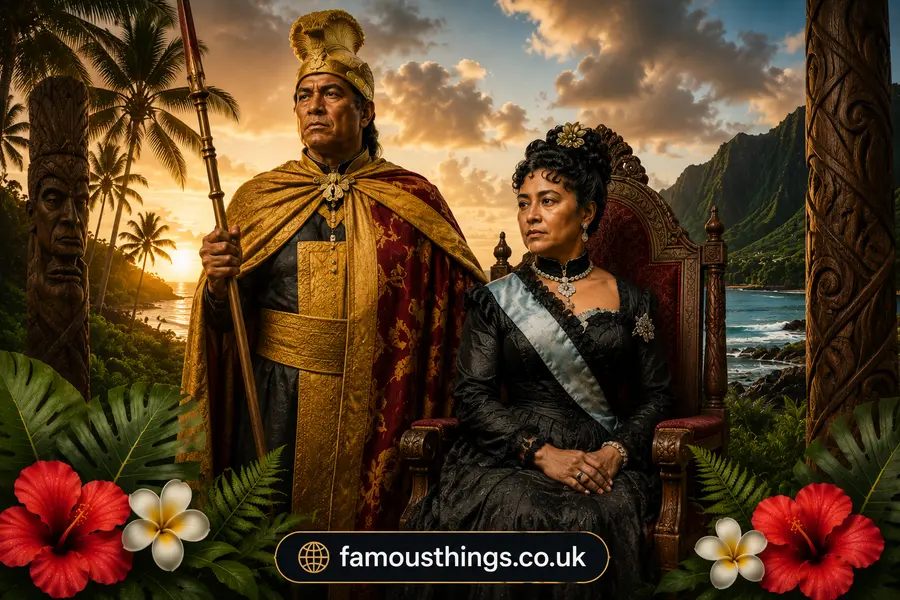
King Kamehameha I
King Kamehameha I remains one of the most important historical figures among famous Hawaiians. His leadership united the Hawaiian Islands and helped create political stability.
Queen Liliʻuokalani
Queen Liliʻuokalani symbolized Hawaiian resilience after the overthrow of the Hawaiian Kingdom in 1893. She remains an important cultural and historical figure today.
Hawaiian legends in Music

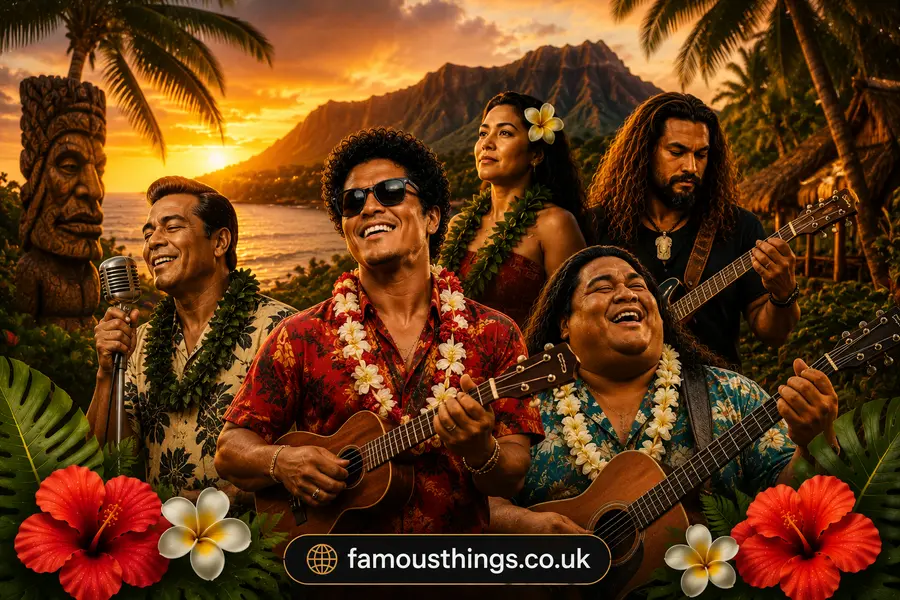
Music plays a major role in Hawaiian identity and culture.
Bruno Mars
Bruno Mars helped bring Hawaiian talent into mainstream global pop culture through chart-topping songs and performances.
Israel Kamakawiwoʻole
Israel Kamakawiwoʻole preserved traditional Hawaiian musical influences while reaching global audiences.
Don Ho
Don Ho introduced Hawaiian-style entertainment to millions worldwide through television and live performances.
Hawaiian Historical Figures in Sports

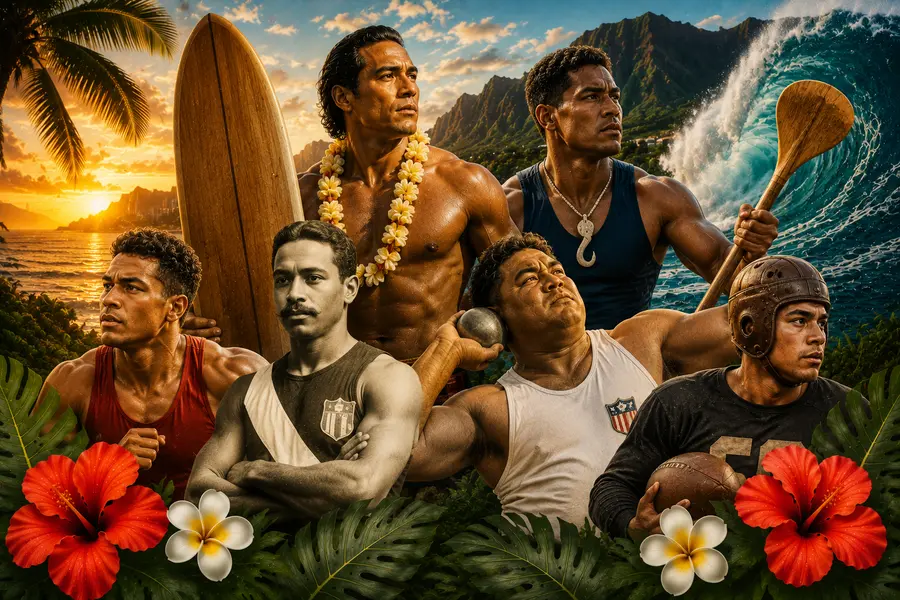
Duke Kahanamoku
Duke Kahanamoku helped transform surfing into an international sport and cultural movement.
Carissa Moore
Carissa Moore became one of the greatest female surfers in history and inspired a new generation of Hawaiian athletes.
Tua Tagovailoa
Tua Tagovailoa represents modern Hawaiian excellence in American football.
Famous Hawaiians in Entertainment

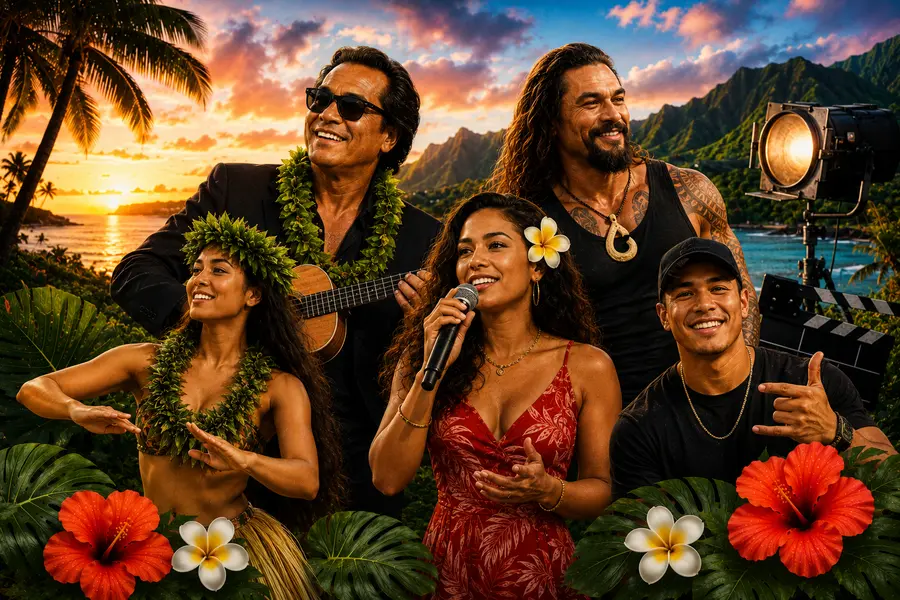
Hawaii has produced several internationally recognized entertainers and actors.
Jason Momoa
Jason Momoa became one of Hollywood’s most recognizable action stars while proudly representing Hawaiian culture.
Nicole Scherzinger
Nicole Scherzinger gained worldwide popularity in music and television while staying connected to her Hawaiian background.
Auliʻi Cravalho
Auliʻi Cravalho became a global symbol of Polynesian representation in animation and film.
Comparison Table of Famous Hawaiians
| Famous Hawaiian | Known For | Category |
|---|---|---|
| King Kamehameha I | Unified Hawaiian Islands | Royalty |
| Queen Liliʻuokalani | Last Hawaiian monarch | History |
| Bruno Mars | Global music superstar | Music |
| Duke Kahanamoku | Surfing pioneer | Sports |
| Jason Momoa | Hollywood actor | Entertainment |
| Israel Kamakawiwoʻole | Hawaiian music icon | Music |
| Tua Tagovailoa | NFL quarterback | Sports |
| Carissa Moore | Olympic surfing champion | Sports |
Why Hawaiian Legends Matter in 2026

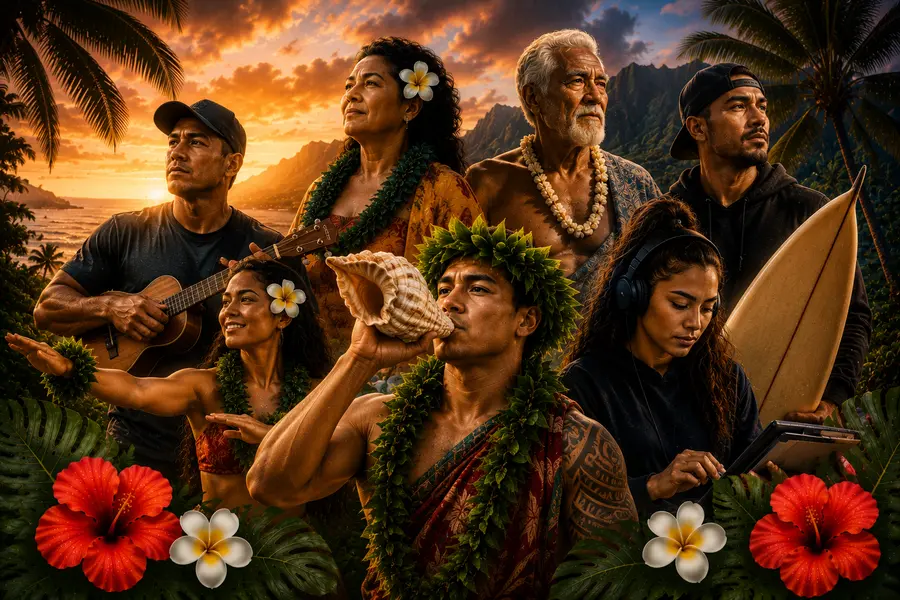
Hawaiian public figures continue influencing global culture through entertainment, sports, education, and activism.
In 2026, cultural preservation remains increasingly important. Many Hawaiian public figures support Native Hawaiian rights, environmental protection, and language revitalization programs.
Their influence extends beyond celebrity status because they help preserve Hawaiian identity for future generations.
Common Misconceptions About Hawaiian celebrities
All Hawaiian celebrities Are Surfers
Surfing is important culturally, but famous Hawaiians also include musicians, actors, leaders, and athletes.
Hawaiian Culture Is Only About Tourism
Hawaiian culture includes deep traditions connected to monarchy, sovereignty, language, and heritage.
Being Born in Hawaii Automatically Means Native Hawaiian
There is a difference between being born in Hawaii and having Native Hawaiian ancestry.
Real-World Cultural Impact
Famous Hawaiians influence:
- Global music culture
- Hollywood representation
- Tourism branding
- Indigenous rights awareness
- Sports and surfing culture
- Cultural education programs
Their influence continues growing worldwide through media, entertainment, and activism.
Why Famous Hawaiians Continue to Influence the World
Famous Hawaiians continue shaping global culture through leadership, music, sports, entertainment, and activism. Their stories represent resilience, cultural pride, and community values.
Interest in Hawaiian culture continues growing worldwide, especially among younger generations interested in indigenous history and Polynesian traditions.
From royal leaders to modern celebrities, Hawaiian celebrities continue inspiring millions across generations.
Key Takeaways
- Famous Hawaiians influenced history, music, sports, politics, and entertainment.
- King Kamehameha I unified the Hawaiian Islands.
- Bruno Mars and Jason Momoa became global entertainment icons.
- Duke Kahanamoku introduced surfing worldwide.
- Hawaiian culture continues influencing the world in 2026.
- Cultural preservation remains central to Hawaiian identity.
FAQs
Who is the most famous Hawaiian?
King Kamehameha I is widely considered one of the most famous Hawaiians because he unified the Hawaiian Islands.
Is Bruno Mars Hawaiian?
Yes, Bruno Mars was born in Honolulu, Hawaii, and proudly acknowledges his Hawaiian roots.
Who introduced surfing to the world?
Duke Kahanamoku helped popularize surfing internationally during the early 20th century.
Is Jason Momoa Hawaiian?
Jason Momoa has Native Hawaiian heritage through his father and strongly represents Hawaiian culture publicly.
Why is Queen Liliʻuokalani important?
She was the last reigning monarch of Hawaii and became a symbol of Hawaiian sovereignty.
Are all notable Hawaiians Native Hawaiian?
No. Some famous Hawaiians are Native Hawaiian, while others were born and raised in Hawaii.
Why are famous Hawaiians globally influential?
They shaped global music, sports, entertainment, and cultural awareness.
Which Hawaiian musician became globally famous?
Bruno Mars and Israel Kamakawiwoʻole became internationally recognized musicians from Hawaii.
Why is Hawaiian culture important?
Hawaiian culture preserves traditions, language, history, and indigenous identity.
Who are the most famous modern Hawaiians?
Modern famous Hawaiians include Bruno Mars, Jason Momoa, Tua Tagovailoa, and Carissa Moore.
Conclusion
Famous Hawaiians have influenced the world through leadership, music, sports, culture, and activism. From the royal legacy of King Kamehameha I to modern global stars like Bruno Mars and Jason Momoa, these individuals continue representing Hawaii’s identity on an international stage.
Their stories reflect resilience, cultural pride, and the lasting global influence of the Hawaiian Islands. Learning about Hawaiian icons helps preserve and respect Hawaii’s unique cultural heritage for future generations.
Read More: Who Are the Most Famous Sax Musicians and Why Do They Still Matter Today?