
Famous Mexican candy is popular because it combines sweet, sour, salty, and spicy flavors in a single bite. This unique mix, often made with ingredients like chili powder, tamarind, and fruit, creates a bold taste that is different from traditional candy.
From tamarind-covered lollipops to chili-coated mango treats, famous Mexican candy reflects Mexico’s rich food culture and traditions. Its vibrant colors and intense flavors make it a favorite worldwide, and its popularity continues to grow in 2026.
What Is Famous Mexican Candy?
Famous Mexican candy includes a wide variety of traditional and modern sweets from Mexico that are known for their bold flavor combinations. These candies often mix sweet ingredients with chili powder, tamarind, lime, or salt, creating a unique taste that is both spicy and tangy.
The History Behind Famous Mexican Candy
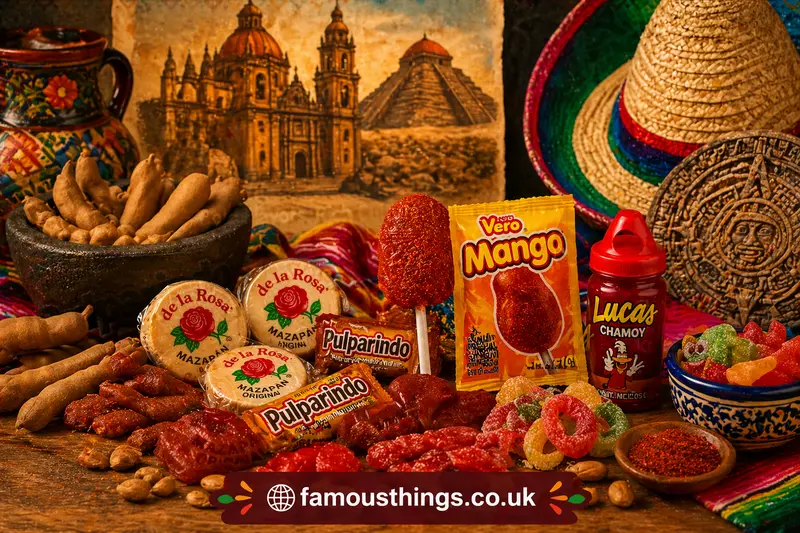
Traditional Mexican sweets has a rich history that dates back centuries. Before Spanish colonization, Indigenous cultures in Mexico used natural ingredients like cacao, honey, amaranth, and fruits to create early forms of sweet treats.
After the Spanish introduced sugar and dairy, candy-making evolved, leading to new types of desserts and confections. Over time, traditional ingredients such as tamarind, chili peppers, and tropical fruits became essential in Mexican sweets, giving them their signature bold flavor.
Today, famous Mexican candy represents a unique blend of Indigenous traditions and Spanish influences. This cultural fusion is one of the key reasons why these candies are not only delicious but also widely popular around the world.
What Makes Famous Mexican Candy Unique?
Popular Mexican treats is unique because it combines bold flavors, traditional ingredients, and vibrant presentation that set it apart from typical sweets. Here are the key characteristics that make these treats stand out:
- Sweet and spicy combinations – A signature mix of sugar with chili heat creates a surprising and addictive taste.
- Use of tamarind paste – Adds a tangy, slightly sour flavor that enhances the overall taste.
- Chili powder or chamoy coating – Gives candies their distinctive spicy and salty kick.
- Bright, colorful packaging – Makes them visually appealing and fun, especially for younger audiences.
- Bold fruit flavors – Popular options include mango, watermelon, and pineapple for a refreshing twist.
The combination of heat, sweetness, and tanginess may surprise first-time tasters, but it’s exactly what makes famous Mexican candy so memorable and widely loved.
Why Famous Mexican Candy Matters in 2026
In 2026, famous Mexican candy continues to gain global attention as consumers seek unique and bold flavor experiences. The growing demand for international snacks has made these treats more popular than ever.
Spicy-sweet combinations are trending across grocery stores and online marketplaces, with many food bloggers and influencers recommending Mexican sweets as must-try options. Their distinctive mix of heat, sweetness, and tanginess sets them apart in a crowded snack market.
Beyond taste, these candies hold cultural significance. They are often enjoyed during celebrations like Día de los Muertos and other traditional festivals, representing heritage, identity, and shared experiences.
Most Popular Types of Mexican Candy
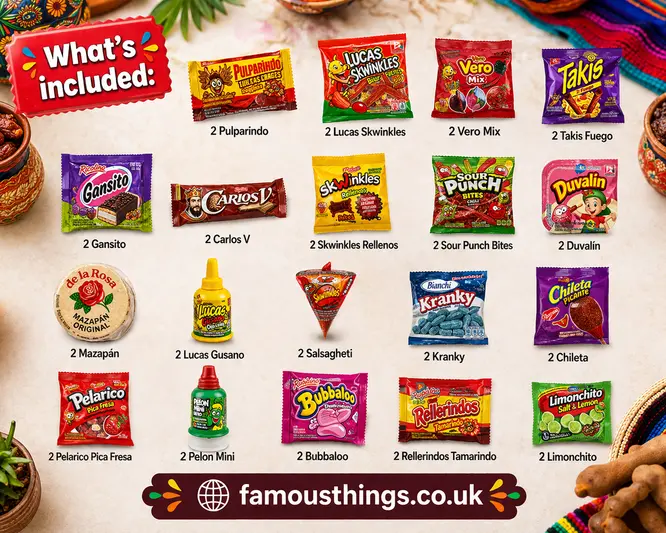
Some of the most popular Mexican candy varieties are known for their unique blend of sweet, spicy, and tangy flavors. Here are a few well-known options:
- Pulparindo – A soft tamarind candy bar mixed with sugar, salt, and chili, offering a bold sweet-and-sour taste.
- Lucas Candy – A powdered chili candy often paired with fresh fruit, delivering a spicy and tangy kick.
- De La Rosa Mazapán – A crumbly peanut-based sweet similar to marzipan, known for its rich and nutty flavor.
- Vero Mango Lollipop – A popular mango-flavored lollipop coated in chili powder for a sweet and spicy experience.
- Pelon Pelo Rico – A fun tamarind gel candy squeezed through a tube, combining sweetness with a mild chili flavor.
Each of these candies offers a different balance of spicy, sour, and sweet flavors, which is why they remain favorites both in Mexico and around the world.
Sweet vs. Spicy Famous Mexican Candy:
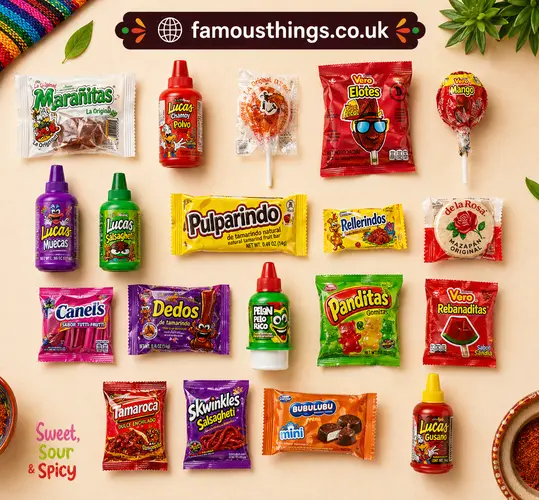
Spicy Mexican snacks offers a wide variety of flavors and textures, making it appealing to different taste preferences worldwide.
| Type | Main Flavor Profile | Texture | Popular Example |
|---|---|---|---|
| Sweet-focused | Peanut, sugar | Soft/crumbly | Mazapán |
| Spicy-sweet | Tamarind + chili | Chewy | Pulparindo |
| Fruity + chili | Mango + chili | Hard candy | Vero Mango Lollipop |
| Powdered chili candy | Salty + spicy | Powder | Lucas Candy |
| Tamarind-based | Sour + spicy | Sticky/chewy | Pelon Pelo Rico |
| Chamoy-coated | Tangy + spicy | Sticky | Chamoy Gummies |
| Coconut-based | Sweet + mild | Soft | Cocada |
| Milk-based candy | Sweet + creamy | Firm/soft | Jamoncillo |
This diversity is one of the key reasons famous Mexican candy continues to grow in popularity, as it offers something for every type of candy lover.
Common Misconceptions
There are several misconceptions about famous Mexican candy that can confuse first-time buyers. Here are some of the most common myths explained:
- All Mexican candy is extremely spicy
This is not true. While many varieties include chili, there are also plenty of options that are mild, sweet, or only slightly tangy. - It’s just novelty candy
In reality, many traditional Mexican sweets are based on recipes that have been passed down for generations and hold cultural significance. - It’s unhealthy compared to other candy
Like all sweets, famous Mexican candy should be enjoyed in moderation. Nutritional value varies depending on ingredients and type.
Cultural Importance of Traditional Mexican Sweets
Mexican candy plays an important role in cultural traditions and everyday life. It is commonly enjoyed during celebrations such as holidays, piñatas, and family gatherings, where it brings people together and reflects shared cultural identity.
Mexican culinary traditions have also had a lasting impact beyond Mexico. According to the Smithsonian National Museum of the American Latino, Mexican food culture continues to influence North American cuisine and traditions.
https://latino.si.edu/
In addition, the U.S. Department of Agriculture highlights ingredients like chili peppers and tropical fruits as essential parts of Mexican cuisine, which are commonly used in many traditional sweets.
https://www.usda.gov/
Together, these influences show that famous Mexican candy is more than just a treat—it is part of a rich culinary heritage that continues to shape global food culture.
Expert Insights on Flavor Science
Mexican candy stands out due to its unique balance of sweet and spicy flavors. This combination works because capsaicin, the active compound in chili peppers, stimulates heat receptors on the tongue, while sugar helps balance and soften the intensity.
Research from institutions like Harvard T.H. Chan School of Public Health explains how capsaicin interacts with taste perception and sensory response:
https://www.hsph.harvard.edu/
This contrast between heat and sweetness creates a layered flavor experience, making the candy feel exciting and enjoyable rather than overwhelming.
How to Choose the Right Famous Mexican Candy
If you’re new to famous Mexican candy, starting with the right options can make your experience more enjoyable. Here are some simple tips to help you choose:
- Start with mild options – Try sweets like Mazapán, which are mostly sweet with little to no spice.
- Go for fruit-based candies – Mango or watermelon lollipops with light chili coating are a great introduction.
- Pair with fresh fruit – Tamarind candies taste even better when combined with fresh fruits like mango or pineapple.
- Check ingredient labels – Look for chili or chamoy levels to understand how spicy the candy might be.
For those interested in exploring a wider range of international snacks and cultural treats, you can browse curated collections on platforms that feature iconic items from around the world:
https://famousthings.co.uk/
Key Takeaways
- Traditional Mexican sweets is known for blending sweet, sour, salty, and spicy flavors in one unique experience.
- Traditional ingredients like tamarind and chili play a key role in creating its bold taste.
- These sweets are deeply connected to Mexican culture and long-standing traditions.
- Popular varieties include Pulparindo, Mazapán, and Vero Mango lollipops.
- The growing demand for international and bold flavors continues to drive its popularity in 2026.
FAQs
What is the most famous Mexican candy?
Pulparindo and Vero Mango lollipops are among the most widely recognized and popular choices.
Why is famous Mexican candy so popular?
Traditional Mexican sweetsis popular because it combines sweet, sour, and spicy flavors, creating a unique taste experience that stands out globally.
Is Mexican candy always spicy?
No, not all varieties are spicy. Some are completely sweet, while others range from mild to very spicy.
What ingredient makes Mexican candy spicy?
Chili powder and chamoy are the main ingredients that add heat and tangy flavor.
Is tamarind commonly used in these sweets?
Yes, tamarind is widely used for its distinctive sour-sweet taste.
What are some mild options for beginners?
Mazapán and coconut-based candies are great starting points because they are mostly sweet.
Are Mexican candies suitable for kids?
Yes, many sweet varieties are suitable for kids, but spicy options may not be ideal for everyone.
Where can I buy famous Mexican candy?
Famous Mexican candy can be found in international grocery stores, specialty shops, and online retailers.
Why do these candies taste so different?
They use a mix of ingredients like chili, lime, salt, and fruit, which creates a bold and layered flavor profile.
Are these candies part of Mexican culture?
Yes, they are often linked to traditions, celebrations, and everyday cultural experiences.
Conclusion
Famous Mexican candy offers a bold and unforgettable mix of flavors, combining sweet, sour, salty, and spicy elements in a way that sets it apart from traditional sweets. Rooted in rich cultural history, these treats continue to capture global interest in 2026 as more people explore unique and international flavors.
Whether you enjoy mild peanut-based candies or tangy, chili-coated lollipops, there is something for every taste preference. Trying these sweets is more than just enjoying a snack—it’s experiencing a vibrant part of Mexican culinary tradition.
Disclaimer: This article is for informational purposes only. All content is based on publicly available information and credible research.
Read More: Who Are the Most Famous Ballerinas of All Time? Top Icons & Legends